Futsal vs Soccer: What Changes for Kids
Futsal vs soccer for kids: five a side on a hard court, a smaller low-bounce ball, kick-ins, no offside. What changes and why a winter of futsal helps.
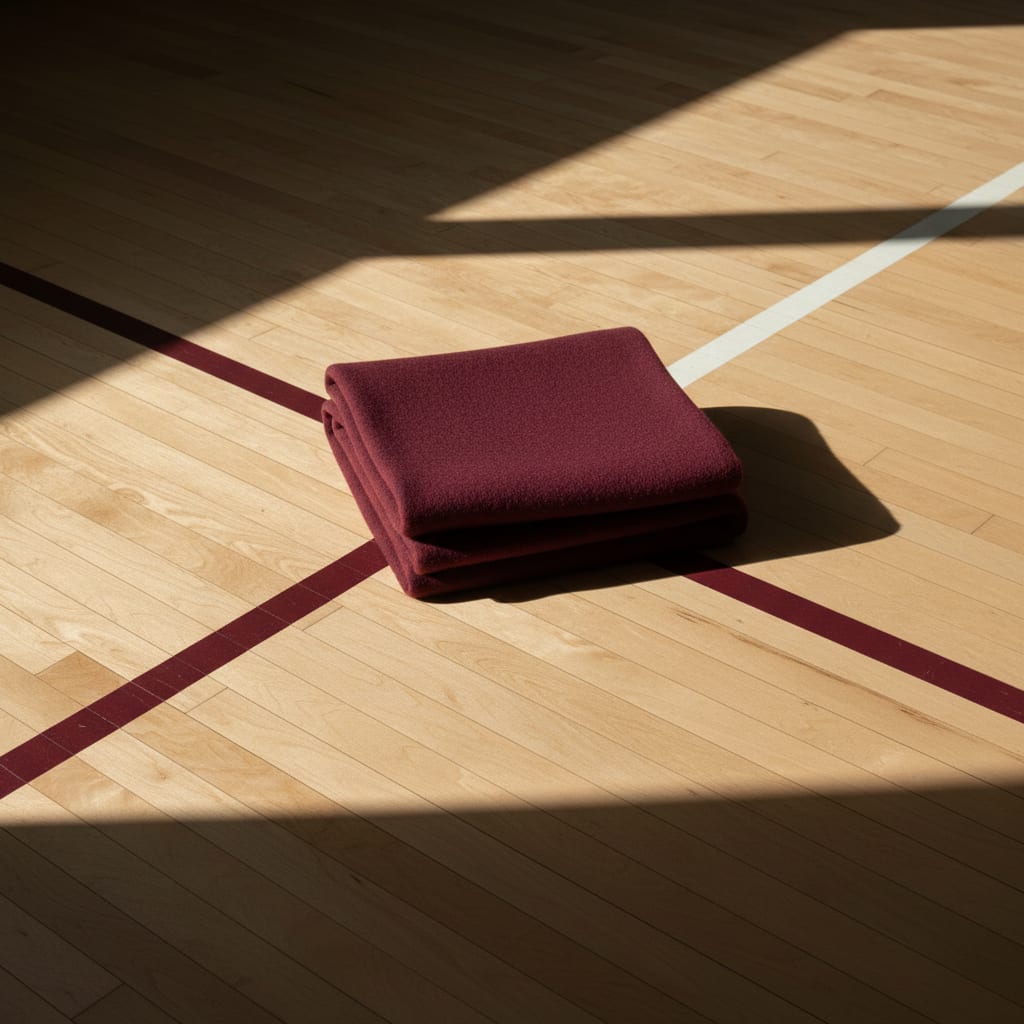
Futsal is soccer shrunk onto a basketball court. The differences that matter for a kid: five players a side instead of eleven (one is the goalkeeper), a hard court marked by lines with no walls, a smaller ball with less bounce, kick-ins instead of throw-ins, no offside, and unlimited flying substitutions. The skills are the same ones your kid uses outdoors: pass, receive, dribble, shoot. What changes is how often they have to do it. With five players and a small court, every kid is on the ball constantly, which is why so many clubs run futsal as the winter season between fall and spring soccer.
What futsal is
US Youth Soccer’s futsal page describes it as “a modified form of soccer that is played with five players per team (one of which is a goalkeeper); and it is played on a basketball size field (typically indoors).” Two more details from the same page settle the most common parent questions. It is played “on a hard-court surface defined by lines; walls or boards are not used,” and it uses “a smaller ball with less bounce than a regular soccer ball.”
The game was born indoors, too. US Youth Soccer traces it to 1930, when a YMCA director in Uruguay built a small-sided version of soccer for a basketball court, borrowing rules and equipment from soccer, basketball, team handball and water polo.
Futsal vs soccer: the rule differences
San Francisco Recreation and Parks publishes a side-by-side comparison handout of the outdoor and futsal laws. These are the rows a parent will actually notice from the bleachers:
| Outdoor soccer | Futsal | |
|---|---|---|
| Players | 11 on the field | 5 on the pitch |
| Ball | Regular #5 | #4 with reduced bounce |
| Surface | Grass, turf or dirt | Wood, artificial material or turf |
| Goal | 8’ x 24’ | 6’3” x 10’ (2m x 3m) |
| Substitutions | 3 | Unlimited “flying” substitutions |
| Ball out on the side | Throw-in | Kick-in |
| Ball out over the end line | Goal kick by any defender | Goal clearance by the goalkeeper |
| Offside | Used | No offside law |
| Restarts | No absolute time limit | 4-second rule on all restarts |
| Slide tackles | Allowed | No slide tackles of an opponent with the ball |
| Halves | 45 minutes | 20 minutes |
That table compares the adult laws. Youth leagues shorten the halves and pick their own ball size by age group on both sides of the table, so ask your program for its youth rules. The ball is the one where families buy the wrong thing; the futsal section of our soccer ball size chart walks through why a futsal size 4 is not the outdoor size 4.
What changes for your kid on the court
The rule table looks like a list of small tweaks. On the court it adds up to a different experience, and most of it is good news for a young player.
More touches. Ten fewer players and a court instead of a field means the ball finds every kid, every possession. US Youth Soccer calls futsal “a self-teaching game,” because “players are constantly put in situations where they must pass, receive, dribble and move, while under pressure, in a confined space.” The kid who spent fall standing near the corner flag cannot hide on a futsal court, and usually stops wanting to.
The ball stays on the floor. A low-bounce ball on a hard court rolls true and does not pop up, so kids learn to play it with the sole of the foot and pass along the ground. Big hopeful kicks just go out of play.
Restarts are quick. Kick-ins replace throw-ins, and the four-second rule on restarts means nobody stands around deciding. Expect the first two games to look chaotic while kids get used to it.
No offside. One less rule to explain, and one less whistle stopping play.
Everyone plays. Flying substitutions mean kids come on and off constantly, like hockey line changes. Playing time tends to spread out. If you are used to tracking minutes on a clipboard, let it go for the winter.
No walls. This is the line between futsal and indoor arena soccer, which is played inside boards on carpet turf with the ball bouncing off the walls. Both get sold as “indoor soccer” on registration pages. Futsal has lines, a hard floor and a ball that goes out of bounds.
Futsal or indoor soccer: how to tell before you register
Registration pages are not always clear, so look for these words:
- Futsal: “court,” “gym,” “hard court,” “lines,” “low-bounce ball.” Often run in a school gym or rec center.
- Indoor (arena) soccer: “arena,” “boards,” “walls,” “dasher,” “turf.” Usually run at a dedicated indoor sports facility.
If the page says only “indoor soccer,” send one email asking what the surface is. The answer decides the ball and the shoes.
Shoes and ball for a futsal season
Shoes: a flat indoor shoe with a non-marking rubber sole, never cleats. Fall cleats are the wrong shoe on a hard court, and many venues will not allow them. Fit, sole types and what the futsal laws say about footwear are covered in our kids’ soccer cleat sizing guide, including its indoor-shoe section. Fit is the same as outdoors: a thumb’s width at the toe, heel held in place.
Ball: the program usually supplies match balls. For practice at home, buy the size the program plays with and make sure it says futsal; an outdoor ball bounces far more on a hard floor.
Is futsal good for young soccer players?
For most kids, yes, and the reason is the touches rather than any rule. A winter of futsal means far more touches on a ball that stays on the floor, in a game that rewards close control and quick decisions. That carries straight back to the outdoor season.
Two honest caveats. Futsal is fast, and a quiet kid who liked the calmer pace of a big field may find the first few weeks overwhelming; give it four games before deciding. And it does not replace the outdoor game for a kid who loves the space and the long runs. For many families it is simply the best way to keep a soccer kid playing between November and March. If your kid is new to the sport altogether, the first soccer season guide is the better place to start.
FAQ: futsal vs soccer
What is the main difference between futsal and soccer?
Futsal is five a side on a hard, basketball-sized court with no walls, using a smaller ball with less bounce. Outdoor soccer is eleven a side on grass or turf with a bigger ball.
Is futsal the same as indoor soccer?
Not always. Futsal is played on a hard court with lines and no walls. Arena indoor soccer is played inside boards on carpet turf, and the ball stays in play off the walls. Ask the program which one it runs.
Is there offside in futsal?
No. Futsal has no offside law.
What age can kids start futsal?
Many clubs run futsal for the same age groups as their outdoor programs. Check with your local club or rec department for the ages it offers.
Can you wear soccer cleats for futsal?
No. Futsal is played in flat, non-marking indoor shoes, and cleats are not suited to a hard court.