Too Wired to Sleep After a Night Game? A Wind-Down Plan
Your kid is too wired to sleep after a night game. Why the buzz outlasts the final whistle, a 45-minute wind-down that works, and what to do about a late night.
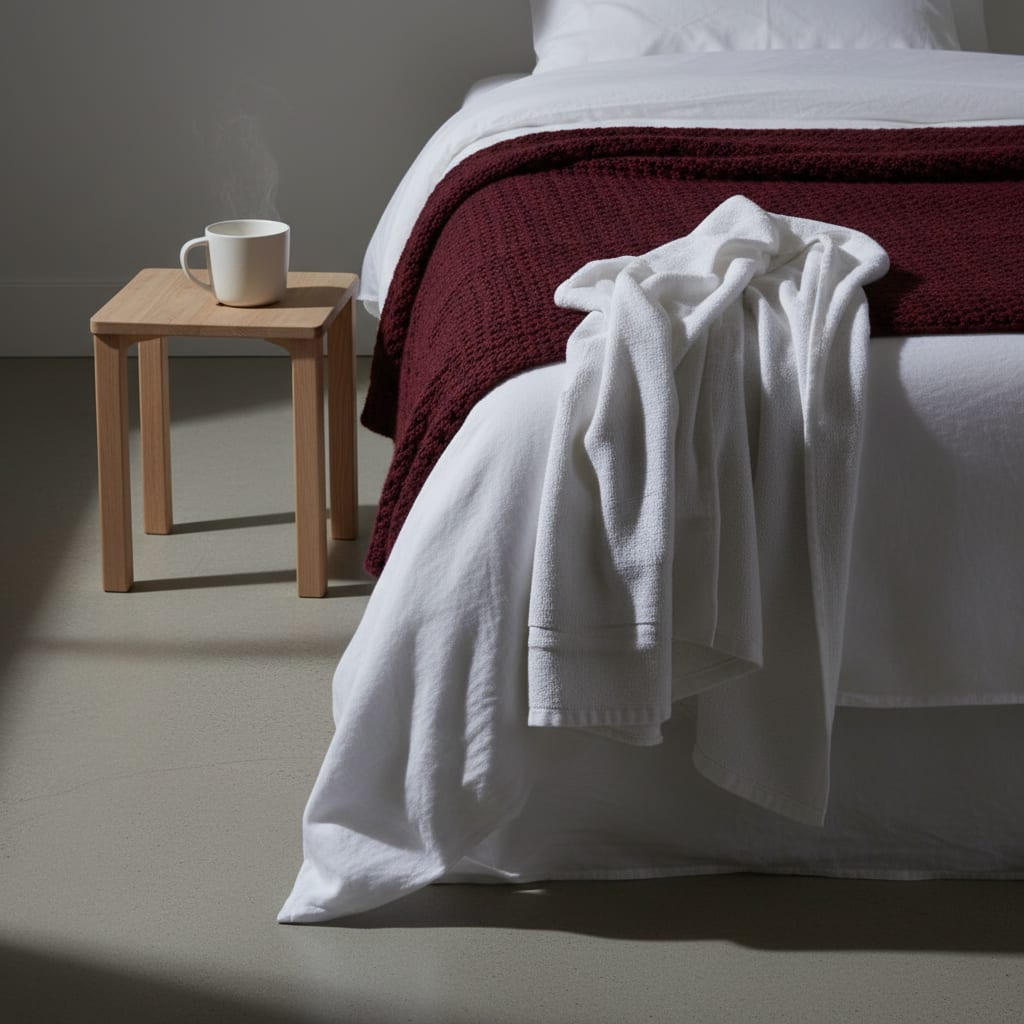
A kid still bouncing at 10 p.m. after a night game is normal. The noise, lights and replay in their head don’t switch off at the final whistle, so straight to bed usually means an hour of staring at the ceiling. Give them a short landing instead: the game talk finished in the car, a snack, a shower, a dim house with screens away, then the normal bedtime routine in a shorter form. Lights-out will be later than usual. Keep tomorrow’s wake-up close to normal and pay the night back with an earlier bedtime the next evening.
Why the buzz outlasts the game
On an ordinary school night the last hour before bed is bath, book and a quiet bedroom. On a game night it is stadium lights, a crowd and a team huddle, then a car ride where everyone talks about the goal. Then you ask the same body to lie still in the dark.
Betteroo’s explainer on why a bright, busy last hour fights a tired body puts the rule plainly: “Keep the last hour dim and boring. Bright light and stimulation fight the circadian half of the equation even when pressure is high.” A night game is the opposite of dim and boring, and it lands exactly in that last hour. Your kid can be genuinely tired and still not sleepy.
The AAP sees it too. HealthyChildren’s healthy sleep habits page notes that “many children today have scheduled evening activities (i.e., sports games, lessons, appointments, etc.) that pose challenges to getting a good night’s sleep,” and its answer is short: “Take time to wind down and give your children the downtime that they need.”
Check what the afternoon added
Before you blame the game, look at the hours before it. Two things make a post-game night harder:
- A late nap. A school-age kid who slept from 4:00 to 5:30 “to be fresh for the game” has spent sleep that was meant for 10:00. The case against that nap, and what to do with the afternoon instead, is in should kids nap before an evening game.
- A concession-stand drink. Many colas and iced teas carry caffeine. Check the label before the cup reaches the bleachers, and offer water or milk after the game instead.
The 45-minute landing
Run it in the same order every game night. After three or four games the order becomes its own cue.
1. Finish the game in the car. Let them tell you about it on the drive home, ask one question and say one thing you liked. Then let the car go quiet, music low. The full replay, the bad call and the missed free throw belong to tomorrow’s breakfast, not to the bedroom. If you are not sure what to say on that drive, start with what to say after the game.
2. A small snack if dinner was early. A 5:00 dinner before a 7:00 game is a long way from 10:00. Something small and plain, like toast, a banana or a bowl of cereal, beats a hungry kid lying awake. It is not the time for a second dinner.
3. A warm shower. It washes off the field and marks a clear line between “game” and “home.”
4. Dim the house. Turn the overhead lights off in the rooms you are using and switch to lamps. If your kid reads in bed, a small clip-on amber light like the hooga Amber Book Light gives enough light for a page without lighting up the room.
5. Phones and highlights stay in the kitchen. The AAP’s guidance on the same HealthyChildren page is to “turn off all screens at least 60 minutes/1 hour before bedtime” and to keep screens out of children’s bedrooms. After a 9:30 final whistle that hour is already gone, which is exactly why the team group chat and the game video wait until morning.
6. The usual routine, shorter. Teeth, one short chapter, lights out. Keep the same steps in the same order, just fewer pages.
Expect the first fifteen minutes in bed to be chatty. Talking the game through to the ceiling is winding down, not winding up.
When lights-out lands late
Do the maths on game night so the next morning isn’t a surprise. KidsHealth’s sleep page for parents puts school-age kids (6 to 13) at 9 to 12 hours. Say the game ends at 8:45, you’re home at 9:15, and the landing takes you to 10:00. If your kid falls asleep around 10:15 and the alarm goes at 6:45, that is about eight and a half hours, below the range.
One night like that is fine. What you do the next day decides whether it stays one night:
- Keep the wake-up close to normal. Letting a school-age kid sleep until 9:00 on Saturday pushes Saturday’s bedtime late. About an hour of extra sleep is the most to allow. The full weekend version is in late Friday night game, Saturday morning.
- Move the next bedtime earlier, not the next wake-up later. Twenty to thirty minutes earlier the following night pays back most of it.
For the arithmetic on your own schedule, Betteroo has a chart that counts bedtime back from the wake-up, which also allows 15 to 20 minutes for falling asleep. On a game night, add the landing. Our own sleep guide for 5 to 8 year olds runs the same numbers for early game mornings.
 Night game for one kid, bedtime for the little one?
A two-minute quiz builds an age-matched bedtime plan for the youngest at the field, so one player's late night doesn't become the whole family's.
Start the quiz →
If they still can’t settle
- Don’t argue about sleeping. “Go to sleep” never made anyone sleepy. Let them read in that dim light instead, and check back in fifteen minutes.
- Separate the replay from the worry. A kid who keeps talking about a great play is excited and will drift off. A kid going back over the same mistake again and again needs one calm line from you (“one play doesn’t decide a season, and we’ll talk about it tomorrow”) and then the lights.
- Leave sleep aids out of it. A single wired night after a game is not a reason for any sleep supplement. If you are thinking about one, talk to your pediatrician first.
When it’s a pattern, not a game night
A late night once or twice a week in season is just sports. Look closer if your kid is wired at bedtime on nights with no game, if Monday mornings keep getting harder as the season goes on, or if the signs KidsHealth lists for a short-slept child keep showing up: falling asleep during the day, being “hyperactive (especially younger children),” trouble with school work, and being cranky or moody. If three night games a week is the schedule, the fix is usually the schedule, and that is worth raising with the coach. Snoring, or trouble falling asleep that lasts for weeks, is worth a visit to your pediatrician.
FAQ: too wired to sleep after a game
Why can’t my child sleep after a night game?
The excitement, lights and noise of the game land in the hour before bed, the hour that is meant to be calm and dim. A short wind-down at home usually fixes it.
How long does it take a kid to wind down after a game?
Plan on 30 to 45 minutes from the front door to lights-out, plus some chatty time in bed. Running the same steps in the same order each game night helps it go faster.
Should my kid shower after a night game?
Yes, a short warm shower is a good part of the routine. It cleans off the field and gives a clear signal that the game is over and bedtime has started.
Should my child sleep in the morning after a late game?
Only a little, about an hour at most on a weekend, and not at all on a school day. Move the next bedtime 20 to 30 minutes earlier instead.