The Mid-Season Slump: Why Week Six Is the Hard One
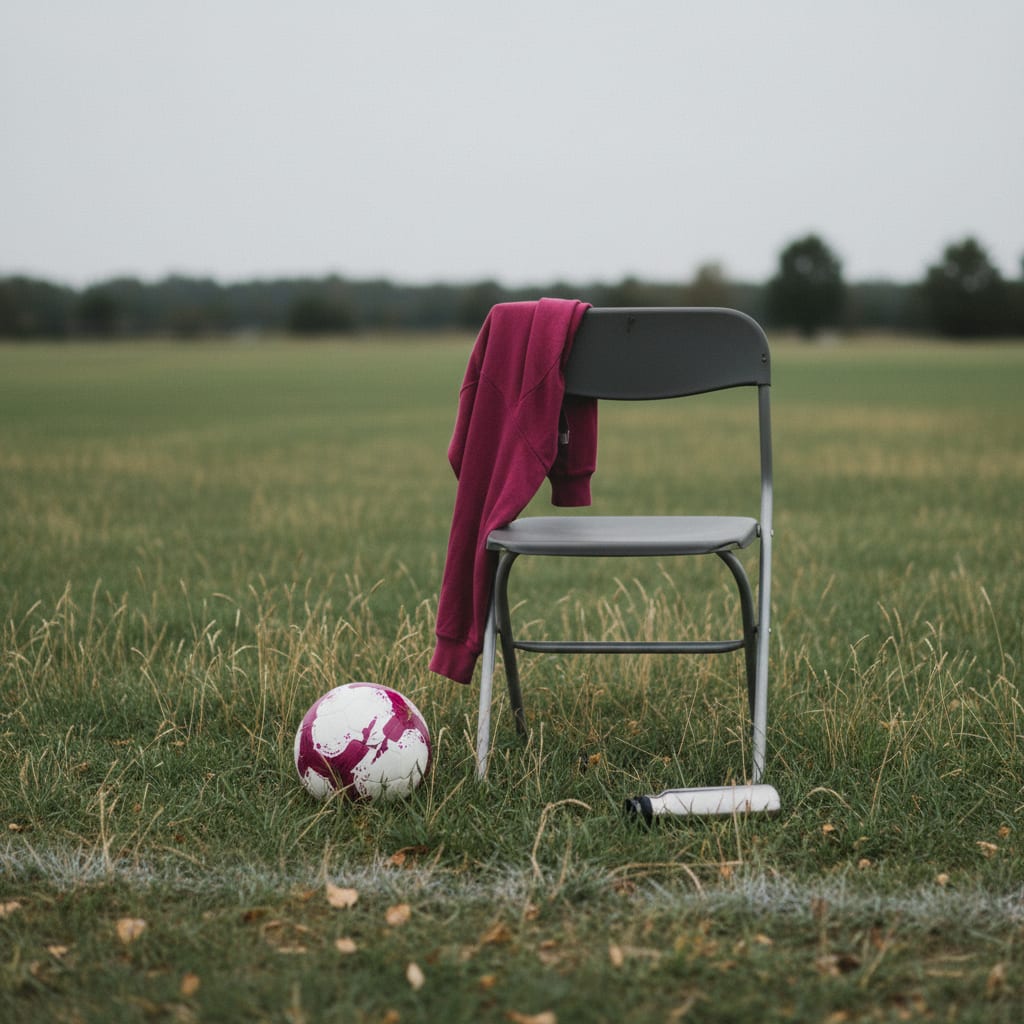
A mid-season slump is the stretch — usually somewhere around week five to seven — when the novelty has worn off, the season is too long to see the end of, and a kid who was thrilled in week one starts dragging their bag to the car. It is a predictable, boring phase of almost every season, and it is not the same thing as wanting to quit. The test is simple: a slumping kid complains before practice and is fine once they’re there. Get that distinction right and most of these resolve themselves.
What a slump actually looks like
It rarely announces itself as “I don’t want to do this.” It shows up as friction:
- Foot-dragging at the door, followed by a completely normal practice.
- A dip in output. Effort drops before skill does; a kid who was chasing everything in September jogs in October.
- Boredom with drills they were happy to do six weeks ago.
- Sudden interest in a different sport, usually one nobody in the family has ever played.
- Body complaints that come and go — a foot that hurts in the car and not on the field. If anything hurts consistently, that’s your pediatrician’s question, not a motivation question, and it goes there first.
The tell is the gap between the anticipation and the experience. Miserable beforehand and cheerful during is a slump. Miserable during, every time, is something else.
Three things that cause it — and one that doesn’t
Fatigue, usually accumulated rather than acute. Six weeks of school plus two evenings a week plus a Saturday adds up in a way that no single day explains. This is the most common cause by a distance and the least dramatic.
The competence plateau. Weeks one to four produce visible improvement because everything is new. Around week six the gains go underground — the kid is still getting better, but not in ways they can feel. Adults handle this badly too.
The social layer. A friend switched teams, the group re-sorted itself, someone said something at practice. For a lot of kids the sport was never the point; the friend was.
What doesn’t cause it: your kid being uncommitted. Six weeks into a first season is not a character reading. Novelty is a real form of motivation and it runs out on a schedule, which is why coaches change drills in October.
The two-week test
Before you change anything structural, run two weeks of the least interesting intervention available:
- Protect sleep and food harder than usual. More of the slump than anyone wants to admit is a 9:15 bedtime three nights running.
- Say less about the sport. No debriefs, no pep talks, no strategy in the car. If what to say after the game is the doctrine, mid-season is when you follow it most strictly.
- Change nothing about attendance. Going remains the default. It’s just quieter.
- Put one thing in the week that isn’t sport. A Saturday with genuinely nothing scheduled does more for week seven than any conversation.
Two weeks is long enough for accumulated tiredness to clear and short enough that you haven’t lost the season waiting. Most slumps are visibly better by the end of it. If nothing has shifted, you’ve learned something real rather than guessing.
What to change, and what to leave alone
Worth changing:
- The weeknight around practice. Dinner earlier, kit packed in advance, drive shortened if there’s a car-share available. The load is the problem more often than the sport.
- What you do at the field. Watching every drill from the fence raises the temperature for some kids. Sitting further back is a legitimate intervention.
- The backyard stuff. Cut it to nothing for a fortnight, or make it purely daft. A ten-minute driveway habit works because it’s small and optional; mid-season is the moment to make it more optional, not less.
- Who they arrive with. Turning up with a teammate changes the walk-in entirely.
Leave alone:
- Playing time. A slump is the worst possible moment to raise it with a coach — the effort dip is visible and the conversation lands badly. That has its own protocol, in the playing-time talk.
- The team. Mid-season is not the time to move a kid, in almost any circumstance.
- The goal-setting. Nobody has ever been rescued from week six by a chart.
- Comparisons. If the slump is really about being behind other kids, that’s a different post — when your kid isn’t the star — and the answer isn’t more practice.
When it’s a slump and when it’s a quit conversation
The line is worth being precise about, because families get it wrong in both directions — pushing through something real, or pulling out of something ordinary.
It’s still a slump when: they’re fine once they’re there, they still talk about teammates, the complaint is about effort or boredom, and it moves around from week to week.
Treat it as more than a slump when: the reluctance is consistent and specific (“I don’t want to be on that team”), when it’s about a person rather than the activity, when it appears in other parts of their life, or when a kid who used to enjoy the games has stopped enjoying the games. Something being genuinely miserable is a decision, not a phase, and the decision guide for when a kid wants to quit walks the finish-the-season question honestly, without shame in either direction.
And if the weight of it is about pressure, comparison or feeling not-good-enough rather than about the sport itself, that’s heavier than a pep talk. The Stay at Home Mom’s Digest handles that layer better than a sideline blog does.
The unglamorous truth about week six
Most seasons have a bad fortnight in them. The families who come out fine are not the ones with the best conversation — they’re the ones who kept the routine, said less, and let it pass. The slump ends the week the team wins one, or the drills change, or the weather turns and it’s suddenly fun to be outside again.
Then there are four good weeks, and then it’s the last game, and your kid is sad it’s over.
FAQ: mid-season slumps in youth sports
Is a mid-season slump normal in kids’ sports?
Yes, and it’s common enough that many coaches plan for it — novelty is a real motivator and it runs out. Somewhere around week five to seven, most teams get quieter and grumpier for a fortnight.
Should I make my child go to practice during a slump?
Attendance staying the default is usually the right call for an ordinary slump, kept low-key rather than enforced with a speech. It’s a different question if the reluctance is specific, consistent, and about a person or a fear rather than boredom.
How long does a slump last?
Typically one to three weeks. If it hasn’t started improving after a fortnight of protected sleep and less talk about the sport, treat it as information rather than a phase and have the longer conversation.
My kid wants to switch sports mid-season. What do I say?
Take the interest seriously and the timing not at all: say yes to trying it next season, and finish this one. Mid-season switching teaches that the exit is available whenever things get boring, which is a costly lesson.
Does a slump mean they’ll want to quit next season?
Not by itself. Plenty of kids who dragged their feet in week six sign up again in the spring without a second thought — how the season ended predicts next year far better than how week six felt.